Maths Vision
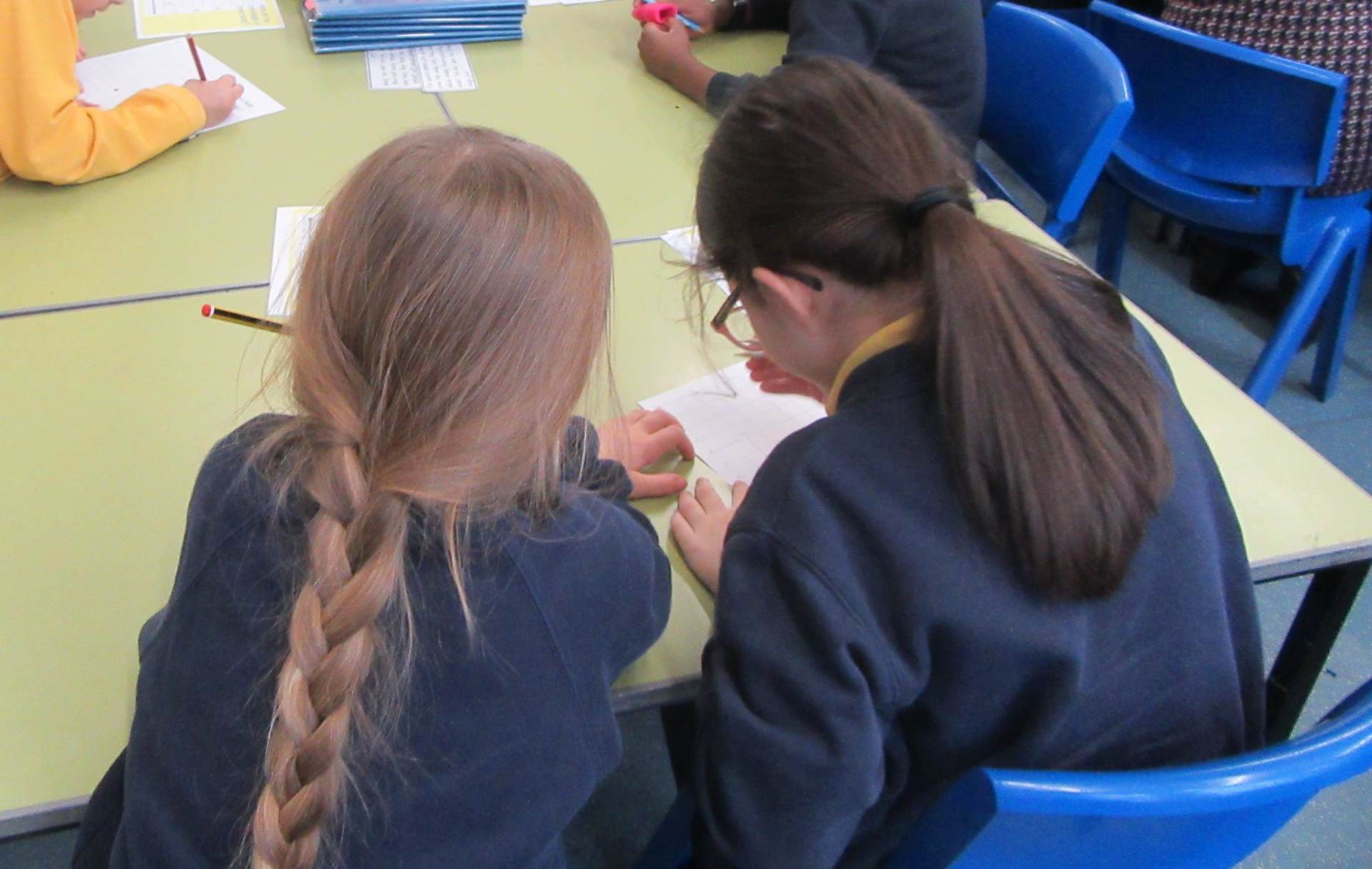
We aim to ensure pupils develop mathematical skills to gain an understanding of our world. The acquisition of skills, which improve because of practice, can help to develop powers of logical thinking, imagination and an awareness of accuracy.
We will inspire young people to see the true beauty of Mathematics and they will engage in their own individual maths-learning journey. Mathematics will teach children to make sense of the world around us through developing a child’s ability to calculate, to reason and to solve problems.
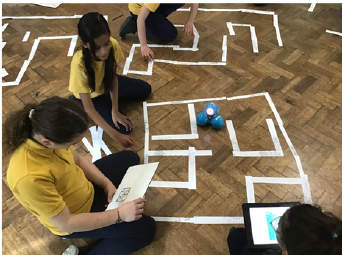
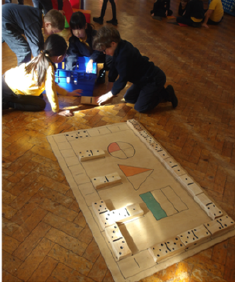
A mastery approach is at the heart of the maths at Belmont. Across all phases, children are taught problem-solving strategies through a range of resources.
Intent
Mathematics involves confidence and competence with number, measures, geometry and statistics. The acquisition of skills, which improve because of practice, can help to develop powers of logical thinking, imagination and an awareness of accuracy.
We aim to inspire young people to see the true beauty of mathematics and encourage them to engage in their maths-learning journey. Mathematics teaches us how to make sense of the world around us through developing a child’s ability to calculate, to reason and to solve problems.
At Belmont, we intend to:
- Ensure our children have access to a high-quality maths curriculum that is both challenging and enjoyable.
- Encourage children to have a positive, confident, enthusiastic and curious attitude towards maths.
- Develop children’s fluency in the fundamentals of mathematical skills and knowledge with quick recall of basic facts.
- Expose our children to a variety of mathematical opportunities, which will enable them to make the connections in learning needed to enjoy greater depth in learning.
- Enable children to feel confident and develop initiative and motivation to work both independently and in cooperation with others.
- Fully develop independent learners with inquisitive minds who have secure mathematical foundations and an interest in self-improvement.
- Encourage children to make rich connections across mathematical ideas to develop fluency, reasoning and competence in solving increasingly sophisticated problems. We intend for our pupils to be able to apply their mathematical knowledge across the curriculum.
- Teach children that maths skills are essential to everyday life, critical to science, technology and engineering, and necessary for financial literacy and most forms of employment.
- Encourage children to foster the use of mathematical knowledge to solve real-life problems; to develop an awareness of the uses of maths in the world beyond the classroom and to give children skills for the future (e.g. for managing their own finances and punctuality).
- Develop the understanding and correct use of mathematical vocabulary.
- Encourage confident communication of maths where pupils ask and answer questions, openly share work and learn from mistakes.
Implementation
A mastery approach is at the heart of maths at Belmont. Maths is a journey and long-term goals are achieved through exploration, clarification, practice and application. We provide high quality teaching by all teaching staff and have high standards of all pupils in our school. At each stage of learning, children should be able to demonstrate a deep, conceptual understanding of the topic and be able to build on this.
Other ways in which maths is implemented:
- Weekly planning and lesson flips from each year group are available, with plans ensuring all coverage and progression of the 2014 National Curriculum.
- We use a variety of planning resources that provides bespoke lessons designed to inform, interest and inspire our children. This is implemented through White Rose and Maths Mastery schemes, Third Space Learning and documents from the NCTEM.
- All children have the opportunity for to practice: revisiting, fluency, reasoning and problem solving. All lessons ensure the children’s prior knowledge is taken into account so that progress in evident in every lesson.
- Lessons promote the use of concrete, pictoral and abstract approach through conceptual and procedural variation.
- Differentiation, is according to support needed, questioning and diving deeper is provided for all children. Adaptations are made throughout the lesson.
- Working walls in classrooms and around the school showcase children’s learning.
- Children are assessed in daily lessons through assessment for learning techniques and through summative assessment – three times a year.
- Children’s attainment and progress is discussed by teachers and senior leaders and if progress is not made, support is immediate and steps provided
- Children’s attainment and progress is discussed with parents/carers during parents evening
Impact
This will be seen through:
- Children demonstrating quick recall of mental facts, including times tables
- Children’s place value knowledge is secured through the use of place value cards, counters and charts.
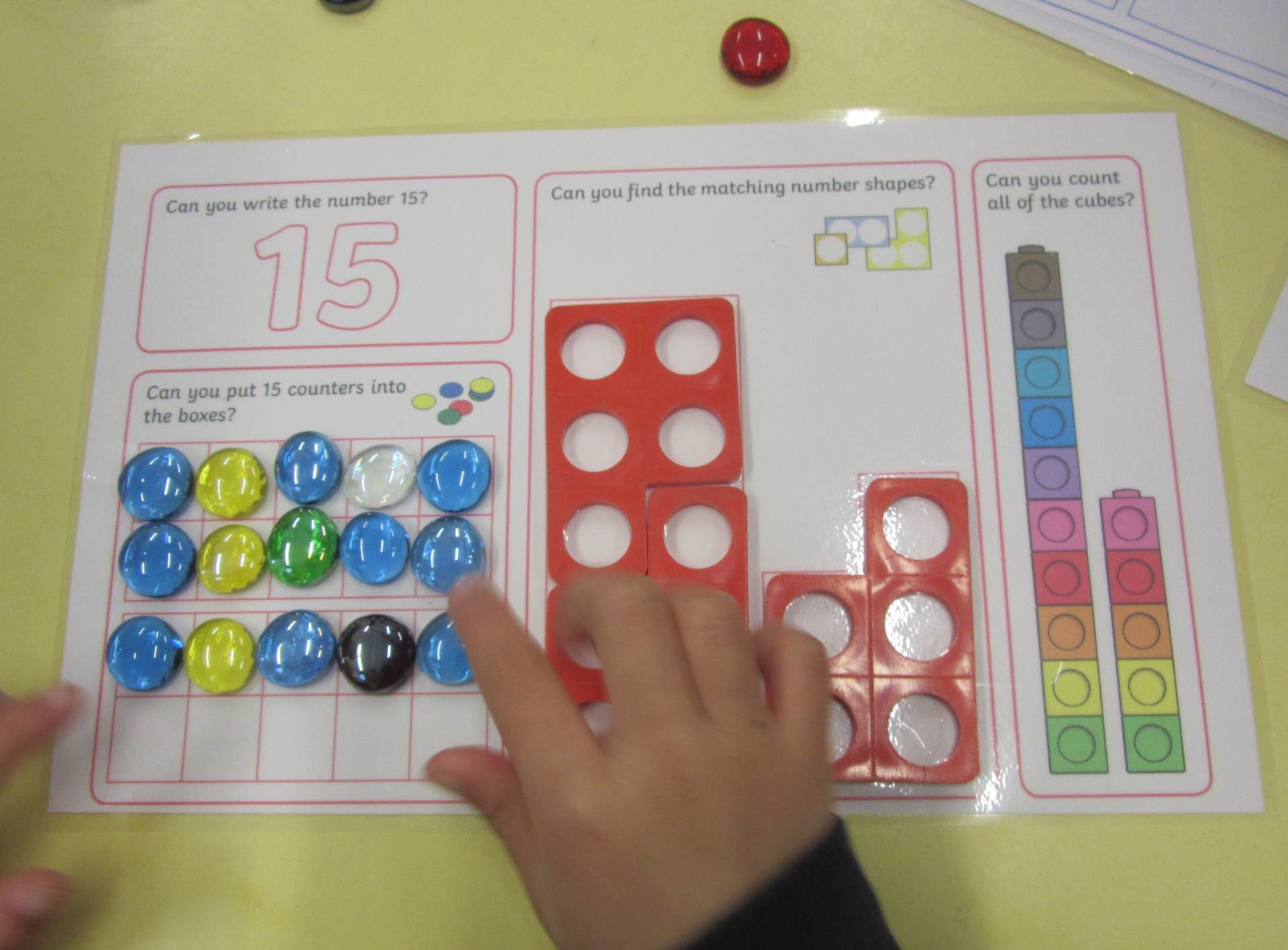
- Children use tens frames in early years to support counting, recognising and understanding the composition of numbers.
- Following the CPA approach children first experience grouping with place value counters to gain conceptual understanding.
- Children draw diagrams to show understanding of concepts.
- Children practically sort, group and order objects using key vocabulary.
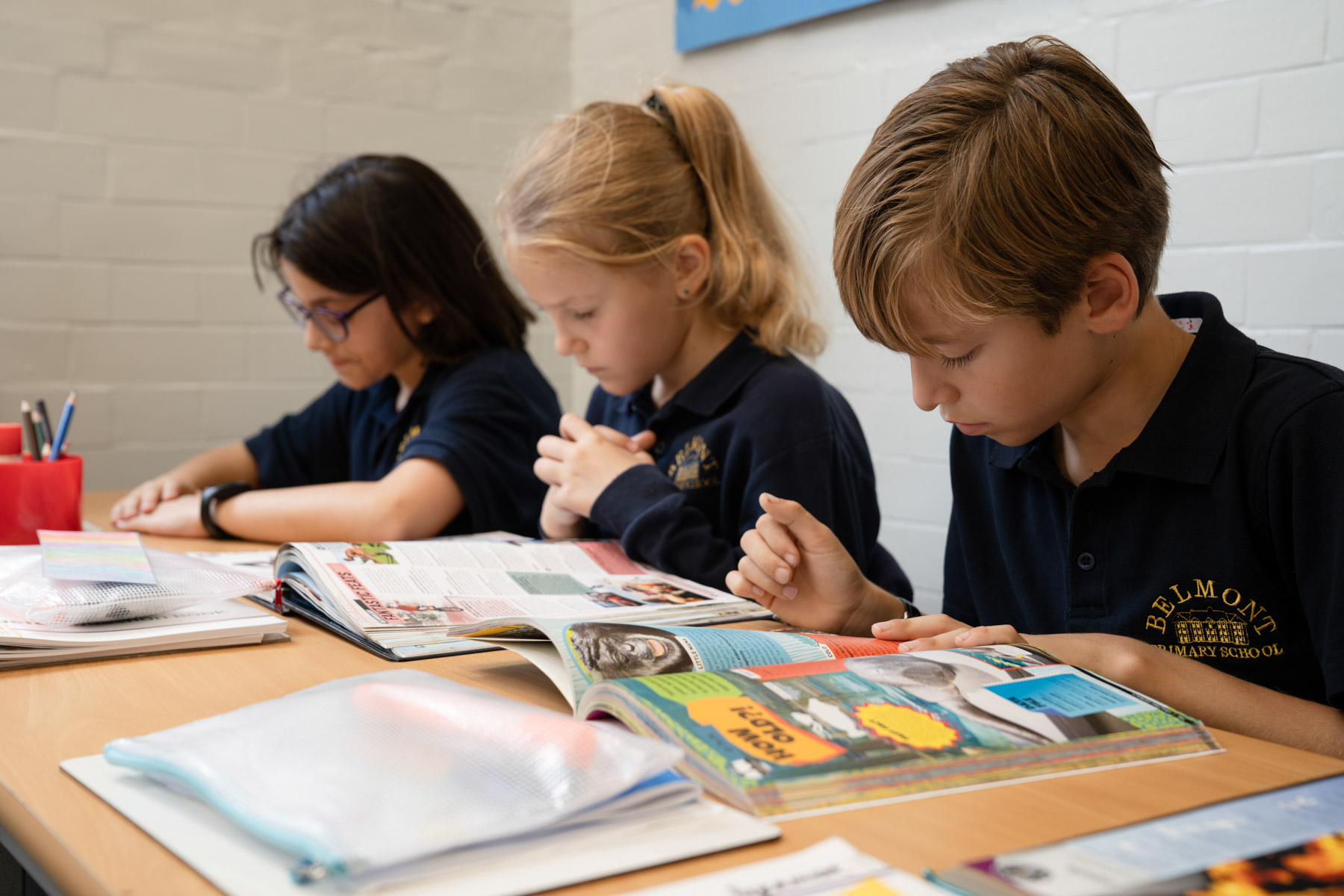
- High level of pride and care in their work and presentation of the books
- Ability to recognise relationships and connections within maths curriculum and other subjects.
- Children are confident and active within all lessons
- Children leave at the end of the Year 6 with the ability to be able to access age related expectations and transition to Year 7 maths effectively.
Mastering a mathematical concept has been achieved when it is able to be transferred to a different context and it can be shown it in multiple ways, through the curriculum. Furthermore, the concept can be independently applied to a new problem in unfamiliar situations.
Times Tables Challenges
The quick recall of multiplication and division facts (times tables) is essential for all children.
The ability to recall these facts quickly enables children to answer related questions with ease. It is therefore important that we approach the teaching and testing of times tables in a similar and progressive format from Year 1 to Year 6. At Belmont, we ensure the children are learning these facts progressively through our times table challenges. The challenge consists of 22 stages. These work progressively through multiplication facts and derived division facts, with a test at each stage to test speed and accuracy.
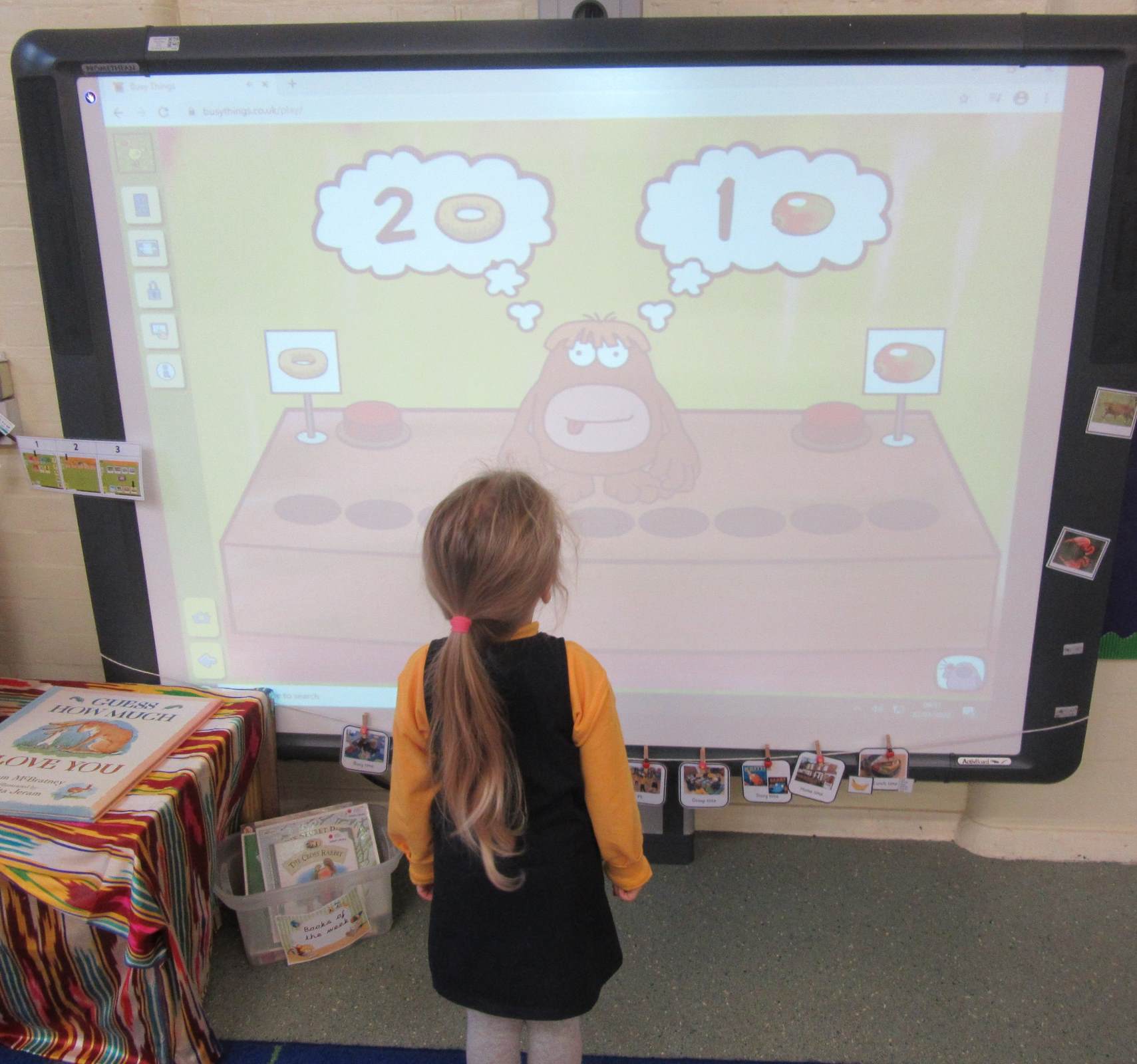
We use various online platforms to support the teaching of mathematics. Here are links to a few:


Please refer to our Policies and Procedures page,