Outdoor Learning
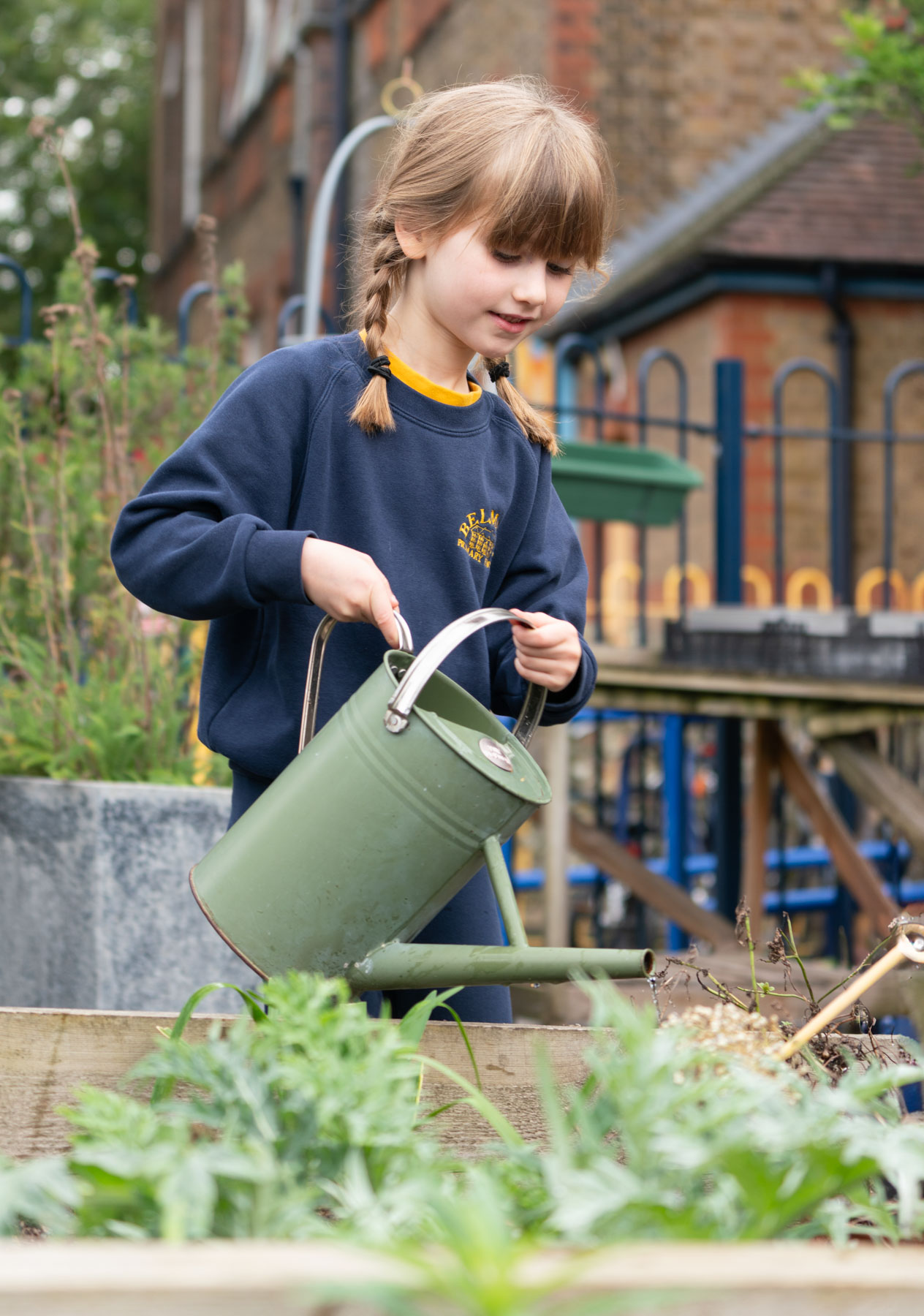
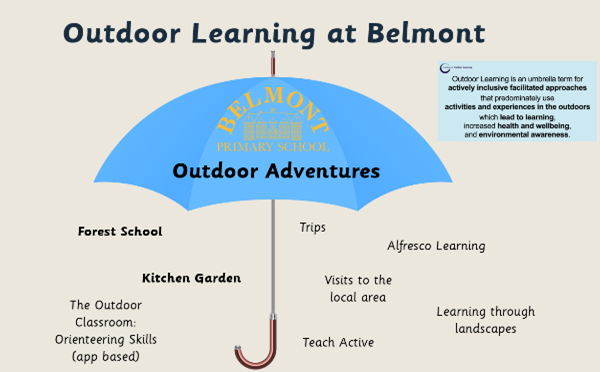
Outdoor Learning—including Forest School and gardening—naturally supports and enhances almost every subject in our curriculum. At our school, these activities sit under a wider umbrella of Outdoor Learning, which brings together a range of outdoor experiences that promote hands-on, experiential learning. This year, we have continued to develop and refine this approach, ensuring outdoor learning is embedded meaningfully across all year groups and subject areas. Building on the foundations laid in previous years, we have strengthened our provision and clarified what Outdoor Learning looks like throughout the school.
Wilderfest
‘Wilderbest’ as named by an excited pupil.
In December, we hosted Wilderfest. This event was a wonderful success, made possible by the fantastic support of our staff volunteers.
The Wilderness Garden was full of warmth and creativity, with children enjoying roasting marshmallows over the fire, sipping delicious hot chocolate, and taking part in nature-inspired craft activities. With fairy lights twinkling, the main garden light glowing, and a cosy, festive atmosphere, the evening truly felt magical.
This special event was also held to raise money towards the redevelopment of our Wilderness Garden. Thanks to the generosity and support of our school community, we are one step closer to transforming this space into an inspiring outdoor area for learning, creativity, and exploration.
Children attended with their parents, and with the support and enthusiasm of our staff, everything ran smoothly and everyone had a wonderful time.
Thank you again to everyone who helped and contributed — it was a fantastic example of our school community coming together for a meaningful cause.
Watch this space for the new date for the postponed event due to weather.
Forest School
At Belmont Primary School, we aim for Forest School to provide the children with opportunities to play, learn, explore and experience the natural world. These experiences help those who take part to develop problem-solving skills, enable them to make decisions and help them to learn to take and manage risks. It will also encourage them to work as a team, to be creative, learn new skills and importantly help enhance independence and self-esteem.
Forest school provides opportunities for the children to learn to play, explore and experience the natural world in every season and through a variety of weather conditions. It will give the children the opportunity and freedom to run, jump, climb, crawl, roll, dig, chop, sing, shout and use their creatively without the constraints of walls and barriers that may constrict them.
The hands-on nature of Forest Schools actively encourages children to try things out, take risks, learn to problem-solve and work cooperatively with others. The children will learn a range of practical skills like how to make a fire, how to cut wood with a variety of tools to create a range of different things as well as learning to identify some of the wonderful flowers, trees, insects and animals that populate our woodlands and outdoor areas.

Implementation
Forest school provides opportunities for the children to learn to play, explore and experience the natural world in every season and through a variety of weather conditions. It will give the children the opportunity and freedom to run, jump, climb, crawl, roll, dig, chop, sing, shout and use their creatively without the constraints of walls and barriers that may constrict them. Each class receive a 6-week programme during the school year.
Intent
To provide a range of different opportunities for children to participate in a range of practical activities and experiences outdoors. Our ethos is to provide the children with the freedom to explore, touch, smell, listen to and feel what it is like to be in the great outdoors.
Impact
Children will be able to try things out, take risks, learn to problem-solve and work cooperatively with others. The children will learn a range of practical skills like how to make a fire, how to cut wood with a variety of tools to create a range of different things as well as learning to identify some of the wonderful flowers, trees, insects and animals that populate our woodlands and outdoor areas. This will be measured through observation, pupil voice and the skills they have obtained which they can apply in activities outside school.
Kitchen Garden
Intent
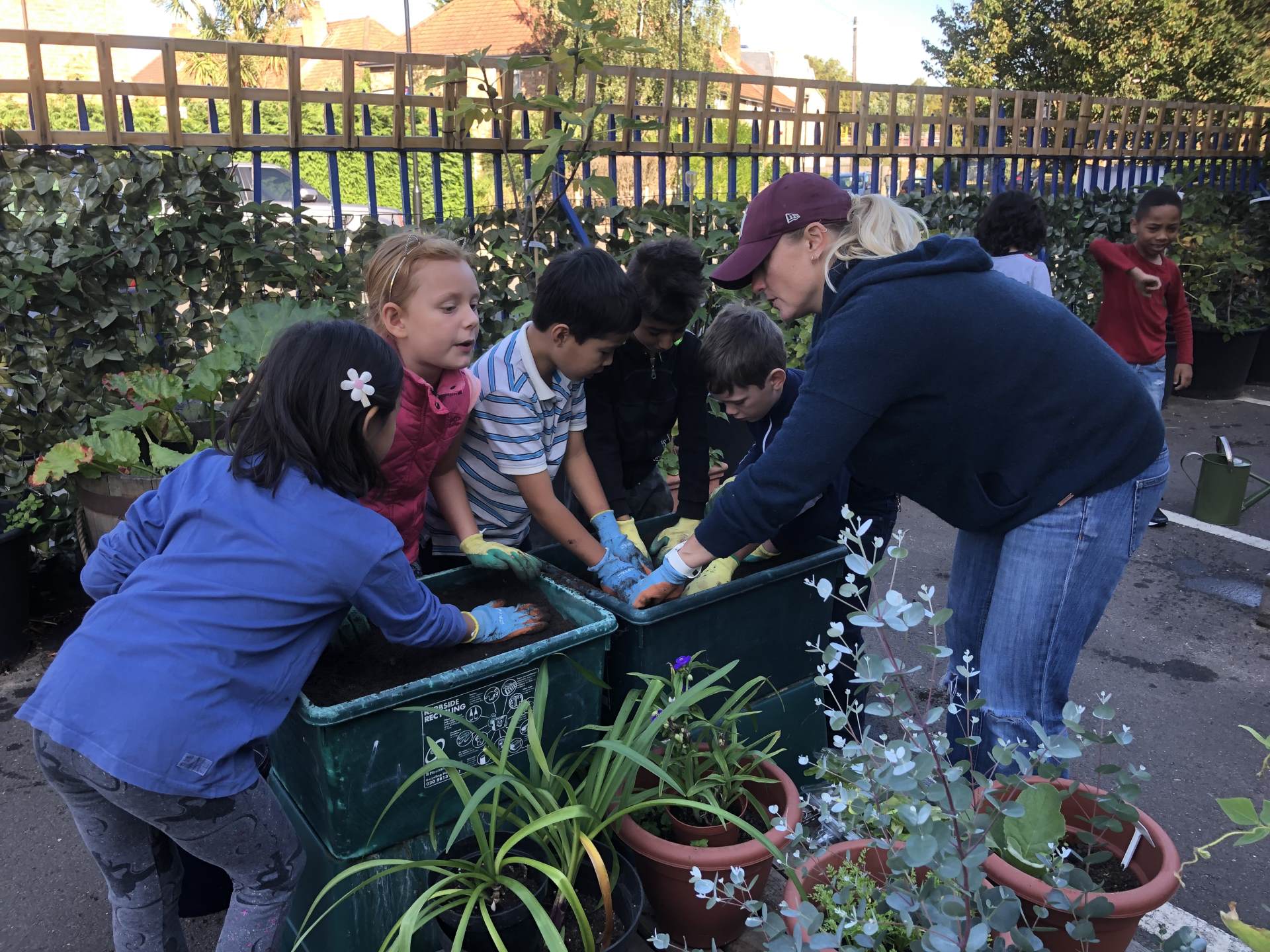
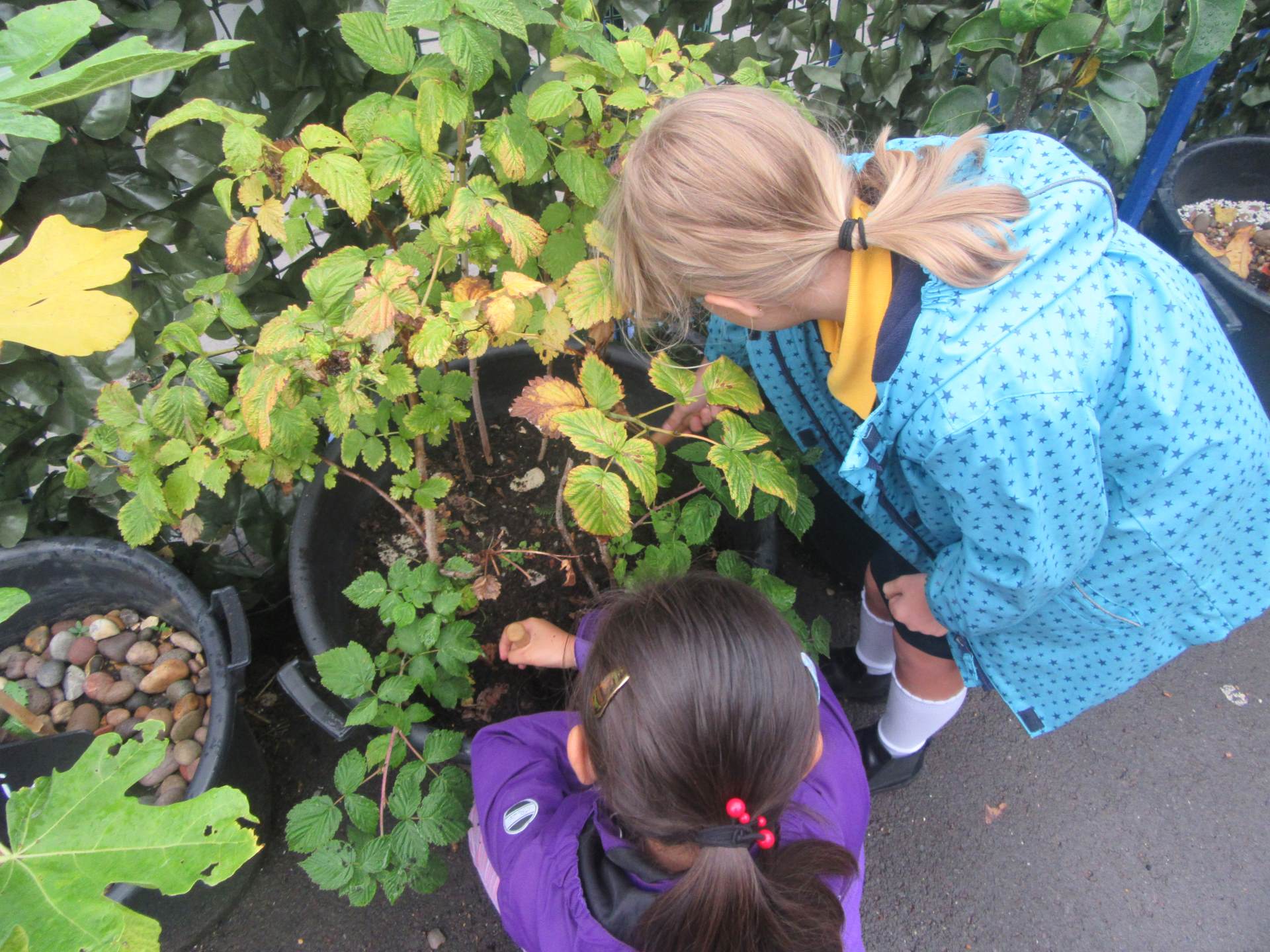
At Belmont we aim to provide our pupils with exciting opportunities to connect with nature. We want all our pupils to get real-life hands-on experience to grow their own food in our Kitchen Garden and learn about the beauty and wonder of the natural world.
Implementation
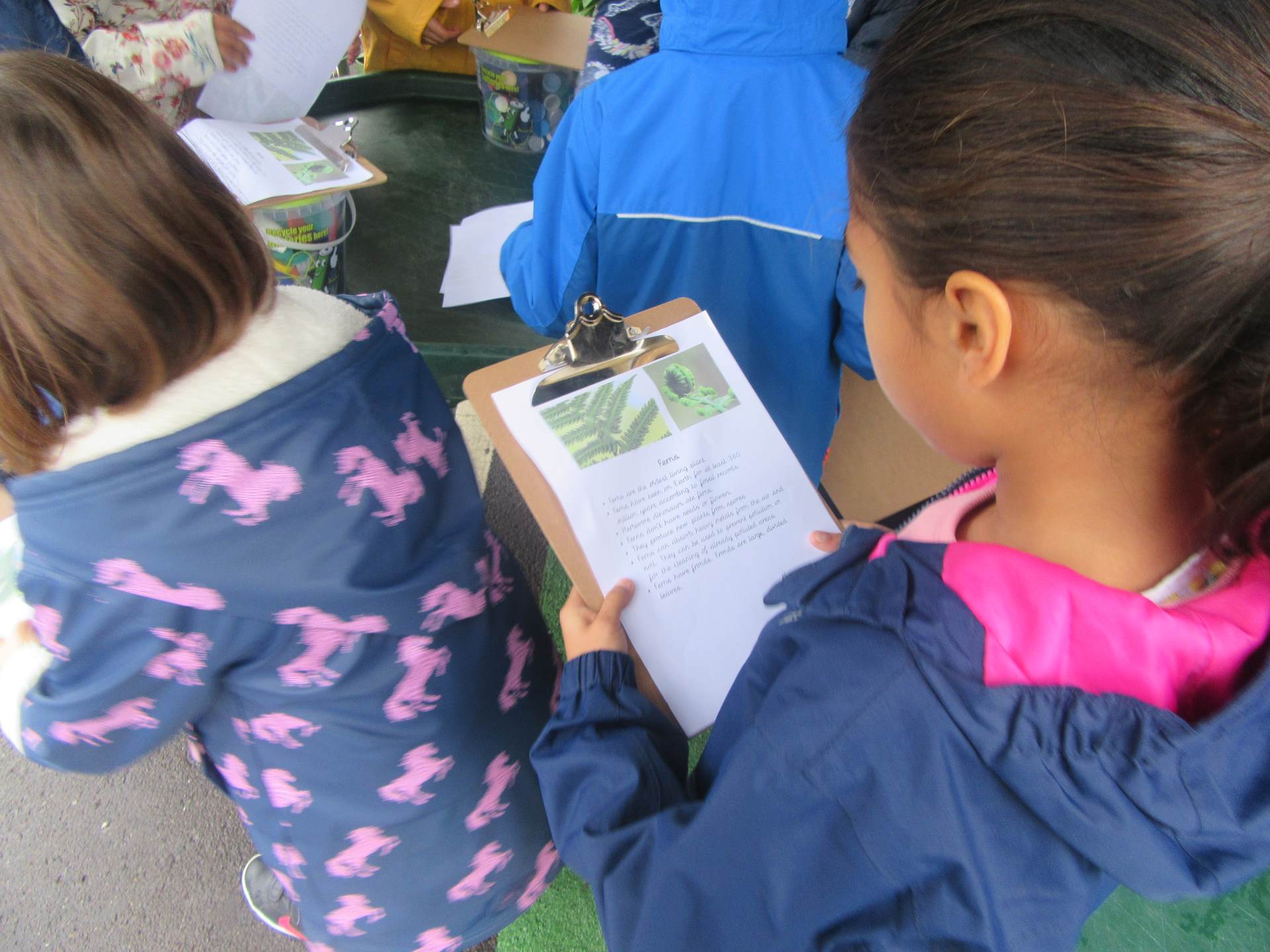
We use our outdoor spaces for learning across the curriculum as well as providing termly gardening lessons to develop specific gardening knowledge and skills.
Impact
Our pupils are educated global citizens of the future. All pupils know about growing edible plants and are knowledgeable about their health and the environment. They have skills they can use outside school.
| Y1 & Y2 | Y3, Y4, Y5 & Y6 | |
| Key coverage and big questions | Where does my food come from? How do plants grow? Edible plants Plant care | Where does my food come from? How do plants grow? Why are plants important? Edible plants Plant adaptations The environment Plant care Health and Nutrition |
| Knowledge | Pupils know about… Plant care and growth (water, sunshine) Edible plants Gardening equipment Garden safety Garden vocabulary – see Word Aware grid for KS1 | Pupils know about… Plant care and growth (water, sunshine, weather, protection) Edible plants/parts of plants Poisonous plants/parts of plants Pollination Composting and decomposition Plant survival and adaptations Plant-based diets and nutrition Plants role in the environment/air quality Gardening equipment Garden safety Garden vocabulary – see Word Aware grid for KS2 |
| Skills | Pupils can… Water plants Plant seeds Harvest produce Use gardening equipment (trowels, wheelbarrows etc.) Work as a team Be safe in the garden Ask questions Use vocabulary they have learnt | Pupils can… Water plants Plant seeds Collect and identify seeds Analyse soil Care for plants (weeding, pruning etc.) Harvest produce Turn the compost Use gardening equipment (trowels, wheelbarrows, secateurs, rakes etc.) Work as a team Be safe in the garden Ask questions Use vocabulary they have learnt |