Science Vision
We aim to ensure children at Belmont enjoy science and see its’ relevance in the world.
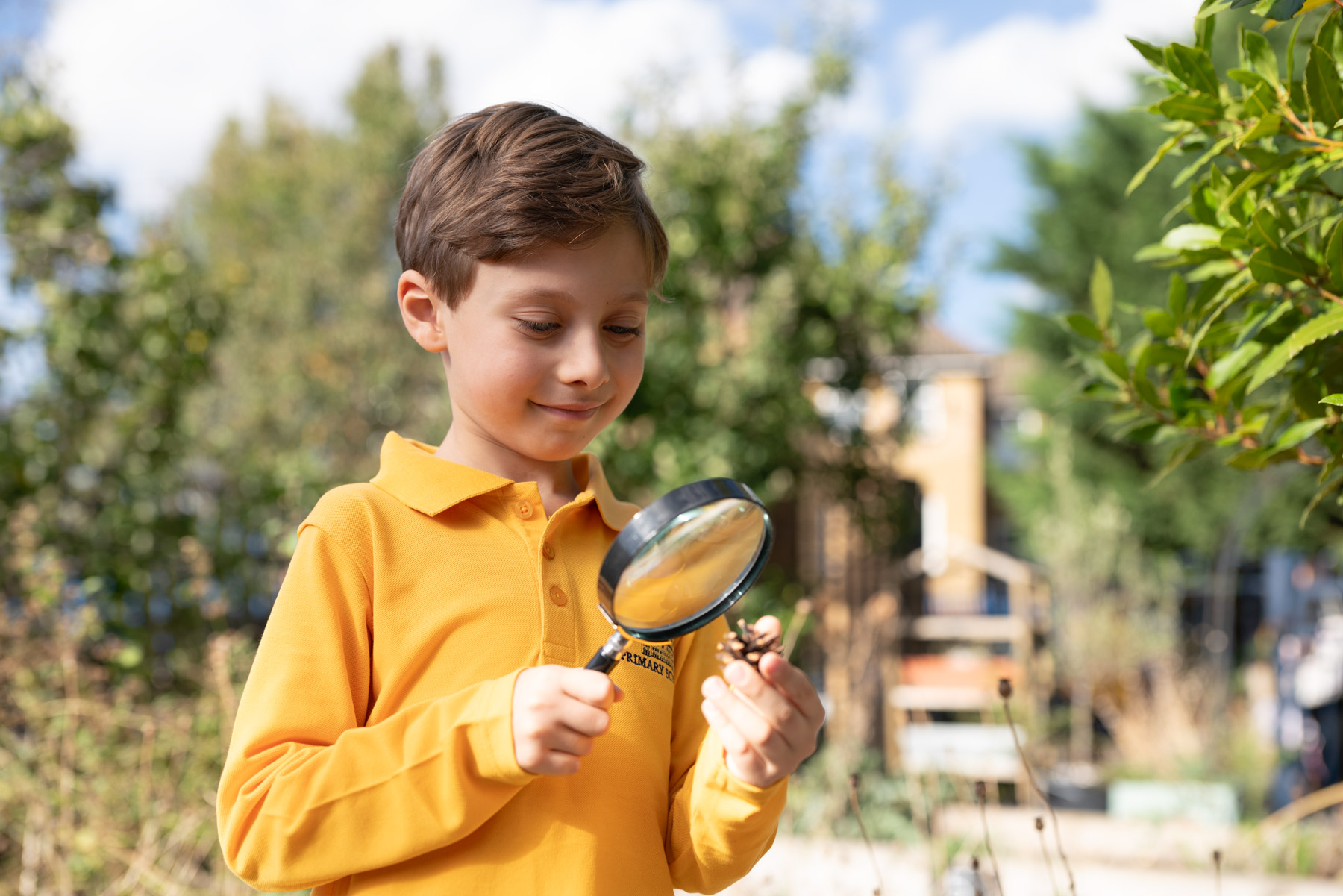
It is our intention to promote a love of investigating to ask questions and solve problems about nature and processes to produce the scientists of the future.
Intent
- To deliver the National Curriculum Science content through high quality teaching of Biology, Chemistry and Physics.
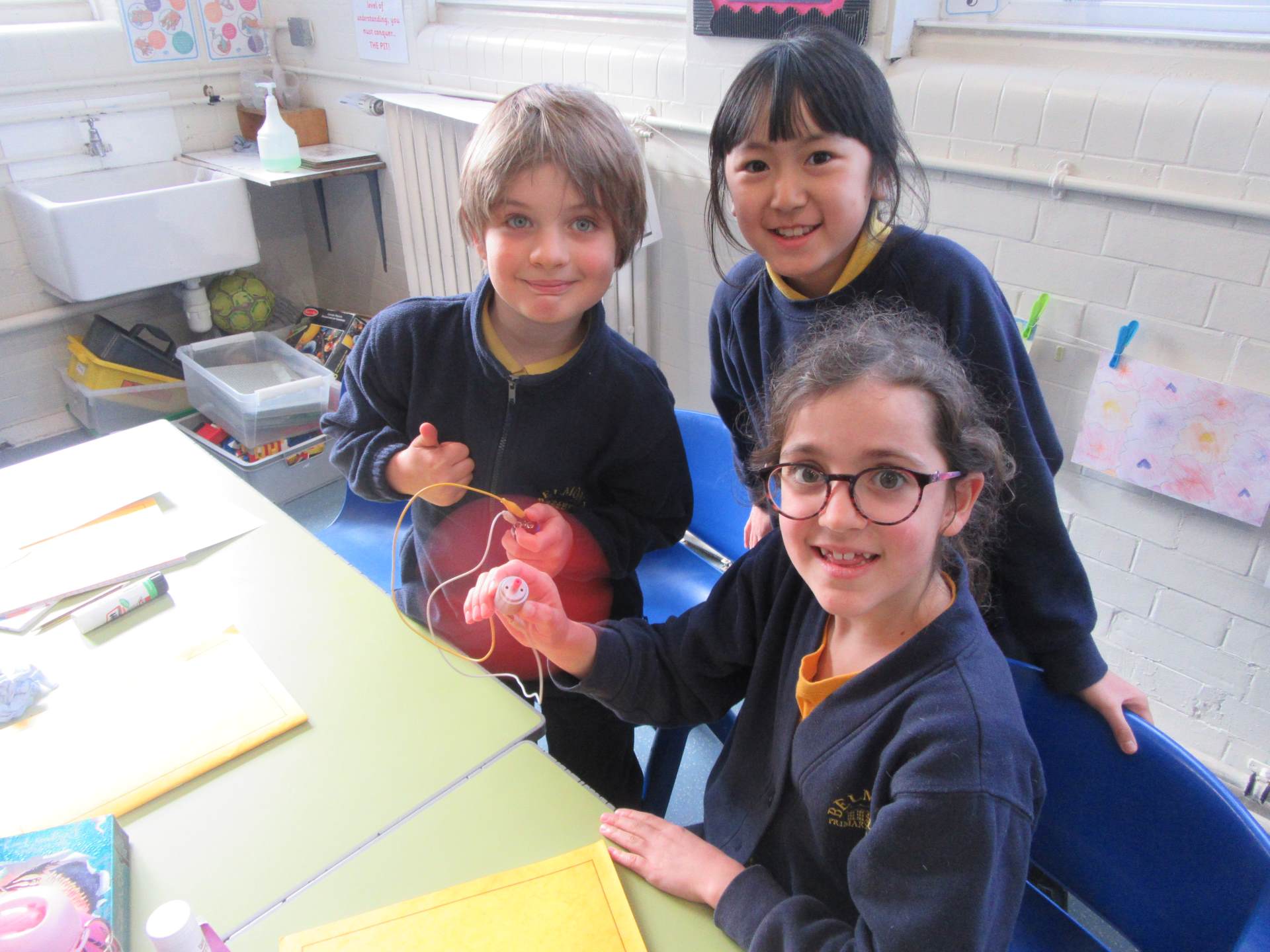
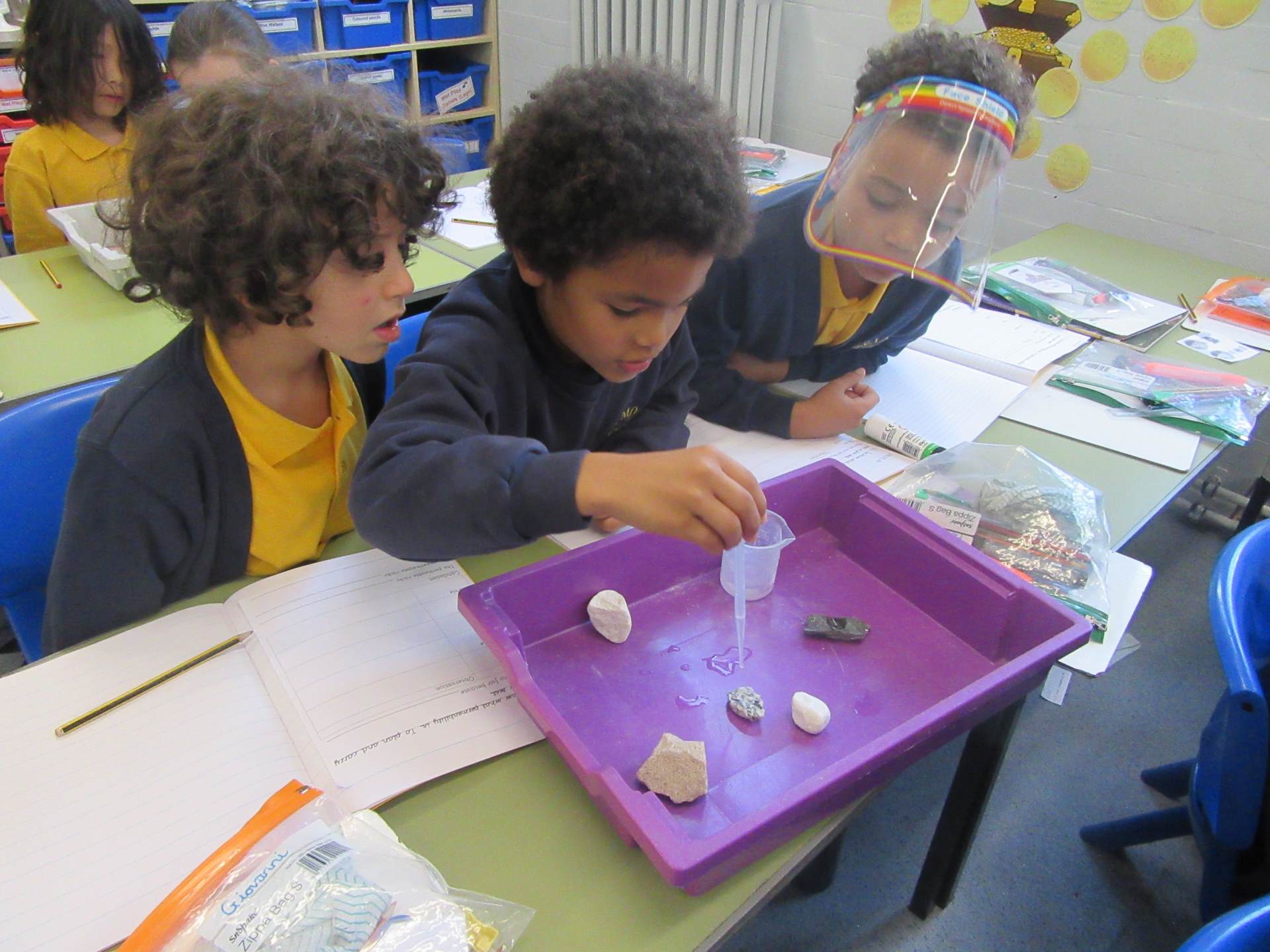
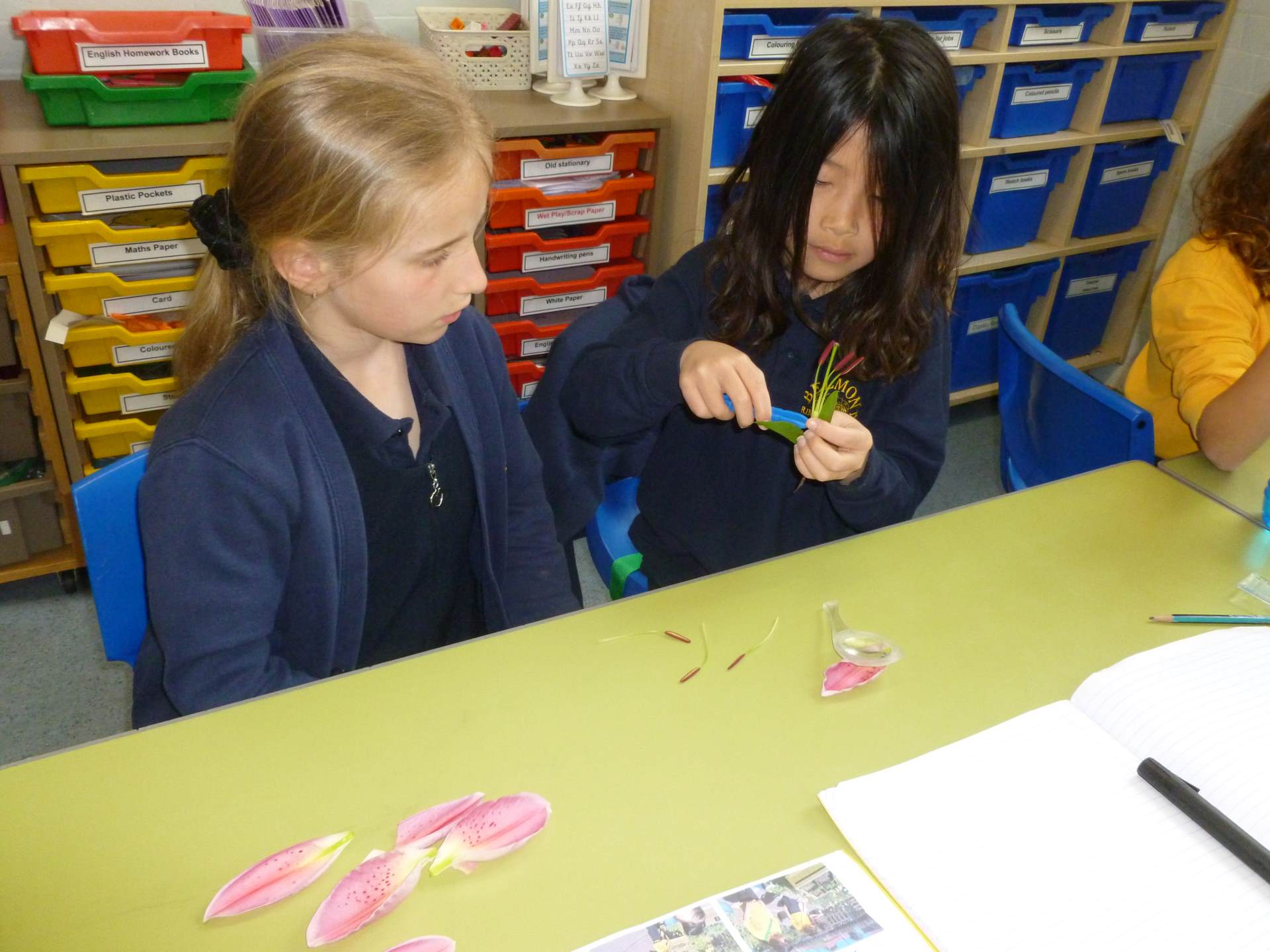
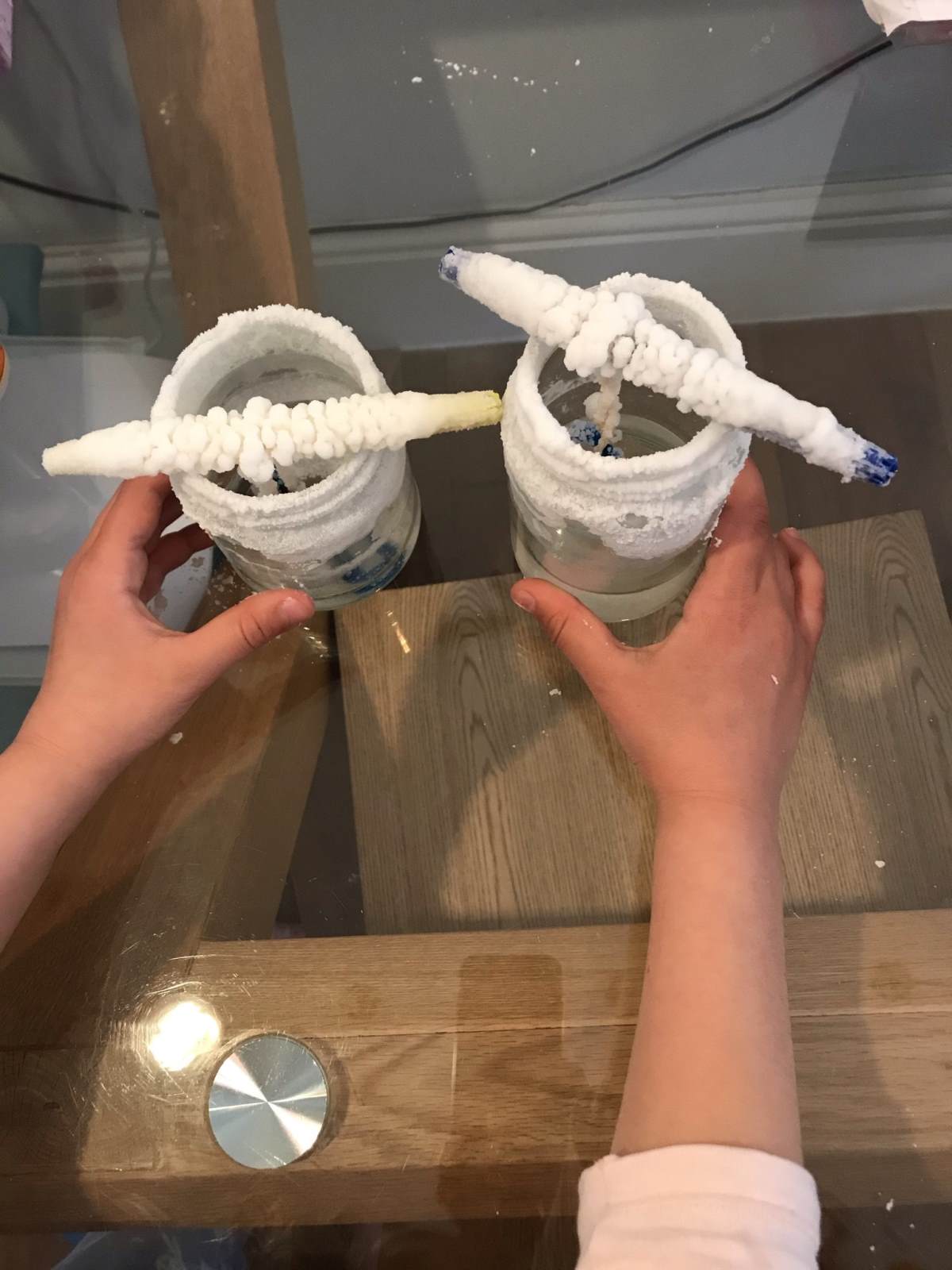
- To use practical investigations at every opportunity, if it will enhance learning.
- To provide a science curriculum accessible to all children at Belmont.
- To ensure the progression of scientific knowledge (substantive Knowledge) and working scientifically skills (disciplinary knowledge) as children move through the school from Nursery to Y6.
- To be aware of real life links between their science learning and the world around them today and for the future.
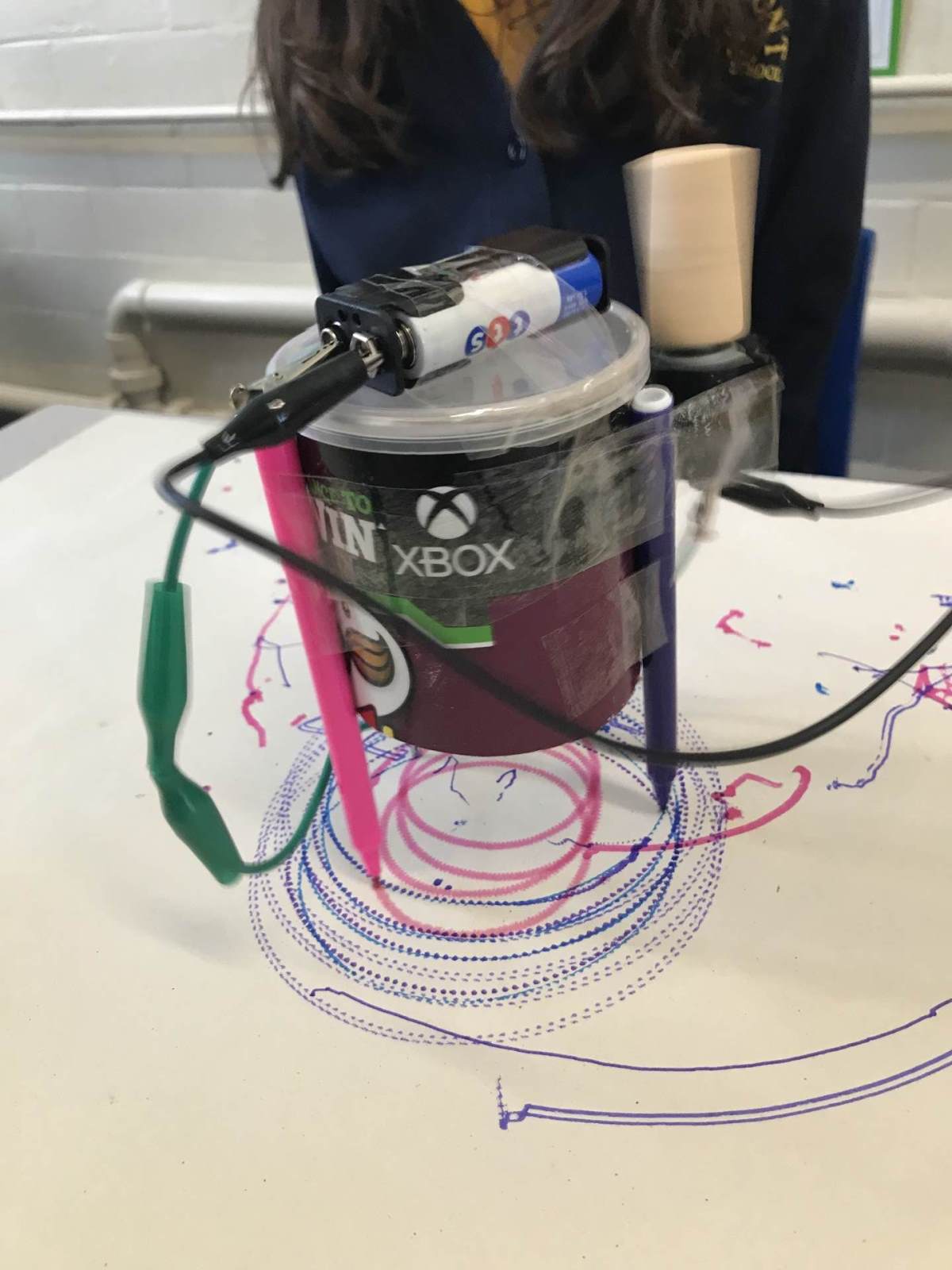
- To be inspired to ask questions and use their science learning to solve problems.
- To make links between their science learning and other curriculum areas.
Implementation
- The staff follow a Belmont Science curriculum. Links with other subject areas have been incorporated. The content is reviewed and updated with new online resources and practical investigation opportunities shared with class teachers to improve it as appropriate each year.
- Each science lesson includes a substantive knowledge and a disciplinary knowledge (working scientifically) LI, to focus the learning.
Disciplinary knowledge skills can be grouped into 5 areas:
Observation over time
Pattern seeking
Identifying, classifying and grouping
Comparative and fair testing
Research using secondary sources
- Learning is differentiated/adapted according to children’s learning needs. This is continuously being developed.
- Children are made aware of links to the real life application and relevance of science through a range of problems solved during lessons and learning about scientists from past to present linked to the unit of study.
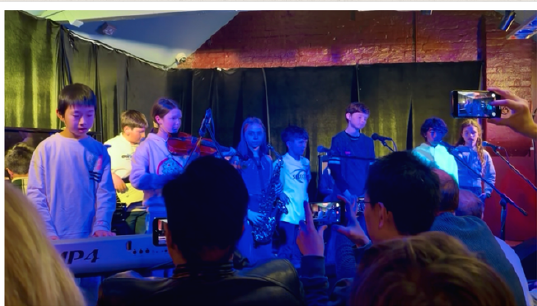
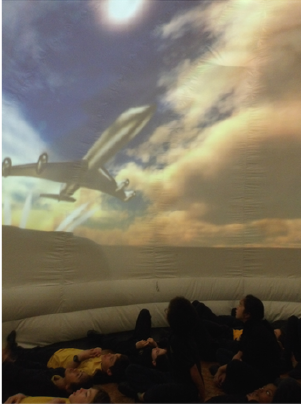
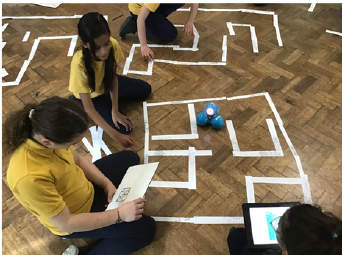
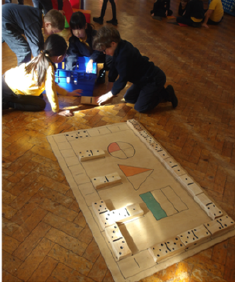
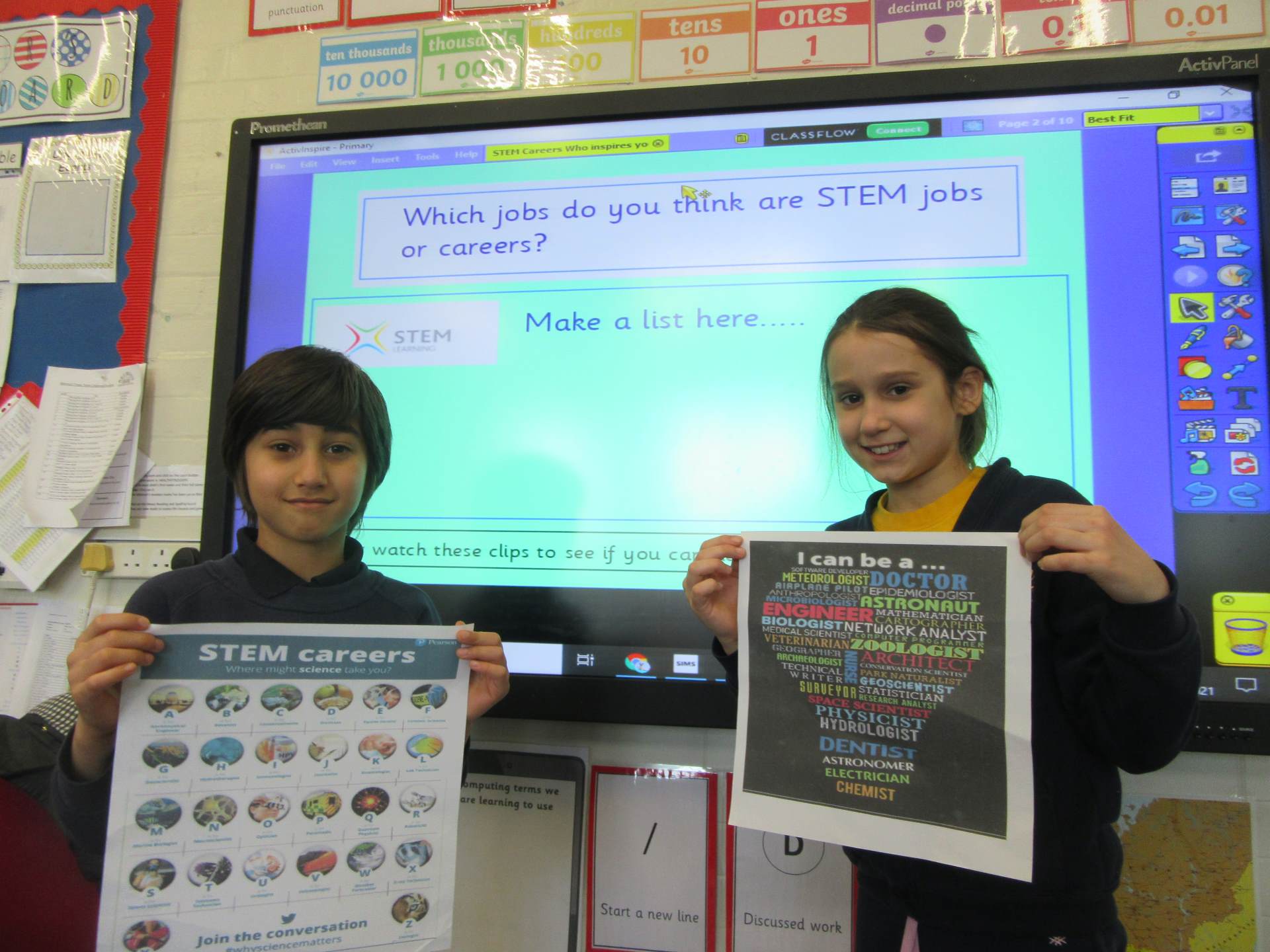
- STEM week provides opportunities for extra science, not included in the NC to be included. Parents, STEM ambassadors and external providers are involved to provide exciting extra-curricular experiences. Subject leads work together to provide cross-curricular links. Science and scientific activities are promoted for parents to complete during this exciting time to help increase the science capital of Belmont children. The Belmont Science Team (Y5&6 pupils) lead problem solving activities with younger year groups to promote the use of disciplinary knowledge skills.
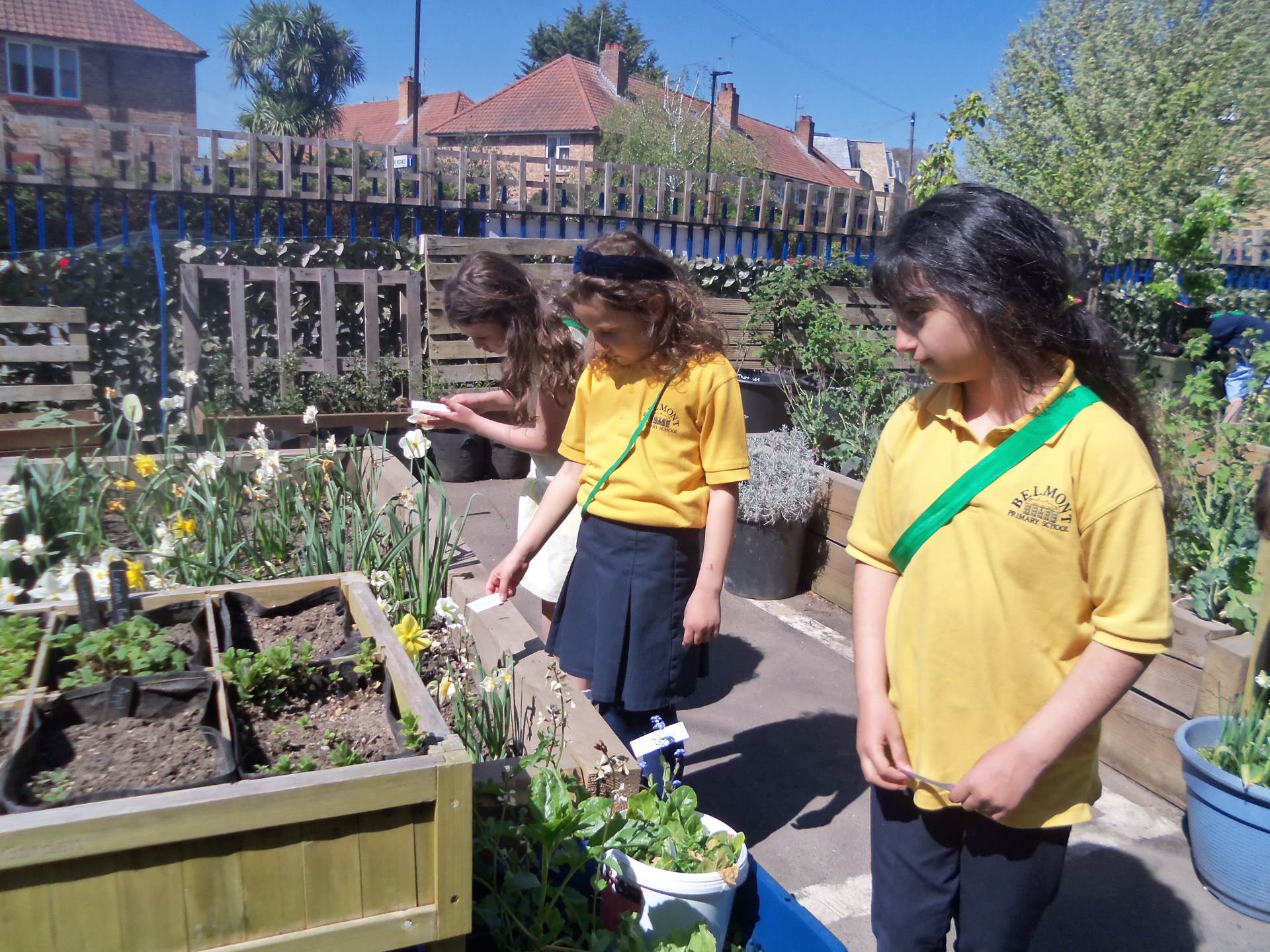
- Outdoor learning in the grounds (wilderness area and kitchen garden), visits, workshops and the opportunity to join a science club (external provider) enrich the science provision at Belmont.
- Subject display boards and assemblies enable important messages/ focus areas e.g. careers in science to be promoted to the whole school. A pupil leadership group- The Belmont Science Team- are recruited each year. Their main goal is to produce a monthly Belmont Science Newsletter containing science articles about items of interest and recent events linked to science. These articles are available in class book corners. The team also assist in the promotion of science throughout the year, especially STEM week.
- The children are encouraged to think about their own learning using ‘rate my knowledge’ grids at the beginning and end of each unit, this includes understanding of key scientific vocabulary. Belmont science knowledge organisers posted in Google classroom inform parents and pupils of the learning for each unit.
- Staff inset occurs when necessary to introduce new initiatives, feedback important information and resource updates.
Impact
- Termly planning from each year group can be accessed and compared in a joint curriculum folder- the subject lead reviews this termly.
- Book looks provide evidence of attainment, coverage, differentiation/adaption-the subject lead and senior leadership team are involved.
- At the end of each unit of study teachers complete assessment grids to record if children are working towards, expected or greater depth for substantive knowledge and disciplinary knowledge-subject lead monitors. (Quizics multi-choice and green triangle marking assist their judgements).
- Pupil voice questionnaires provide information about key aspects of the children’s viewpoint of science, their learning and events they have experienced. The subject lead uses this information for the future development of the subject.
Resources
Here are some useful links if you would like help your child with science at home.
- KS1 http://www.bbc.co.uk/education/subjects/z6svr82 Includes interactive learner guides and video clips.
- KS2 http://www.bbc.co.uk/education/subjects/z2pfb9q Includes interactive learner guides and video clips.
- http://www.oum.ox.ac.uk/thezone/index.htm Resources for animals, rocks, minerals and fossils, and insects.
- http://www.sheppardsoftware.com/science.htm Games linked to different areas of science.
- http://www.crickweb.co.uk/ks1science.html look in KS1 and 2 to find unit appropriate games/ activities.
- https://www.everyschool.co.uk/science.html sister website to the above.
- https://www.topmarks.co.uk/Search.aspx?Subject=26 links to a variety of interactive games.
Policy
Please refer to our Policies and Procedures page,